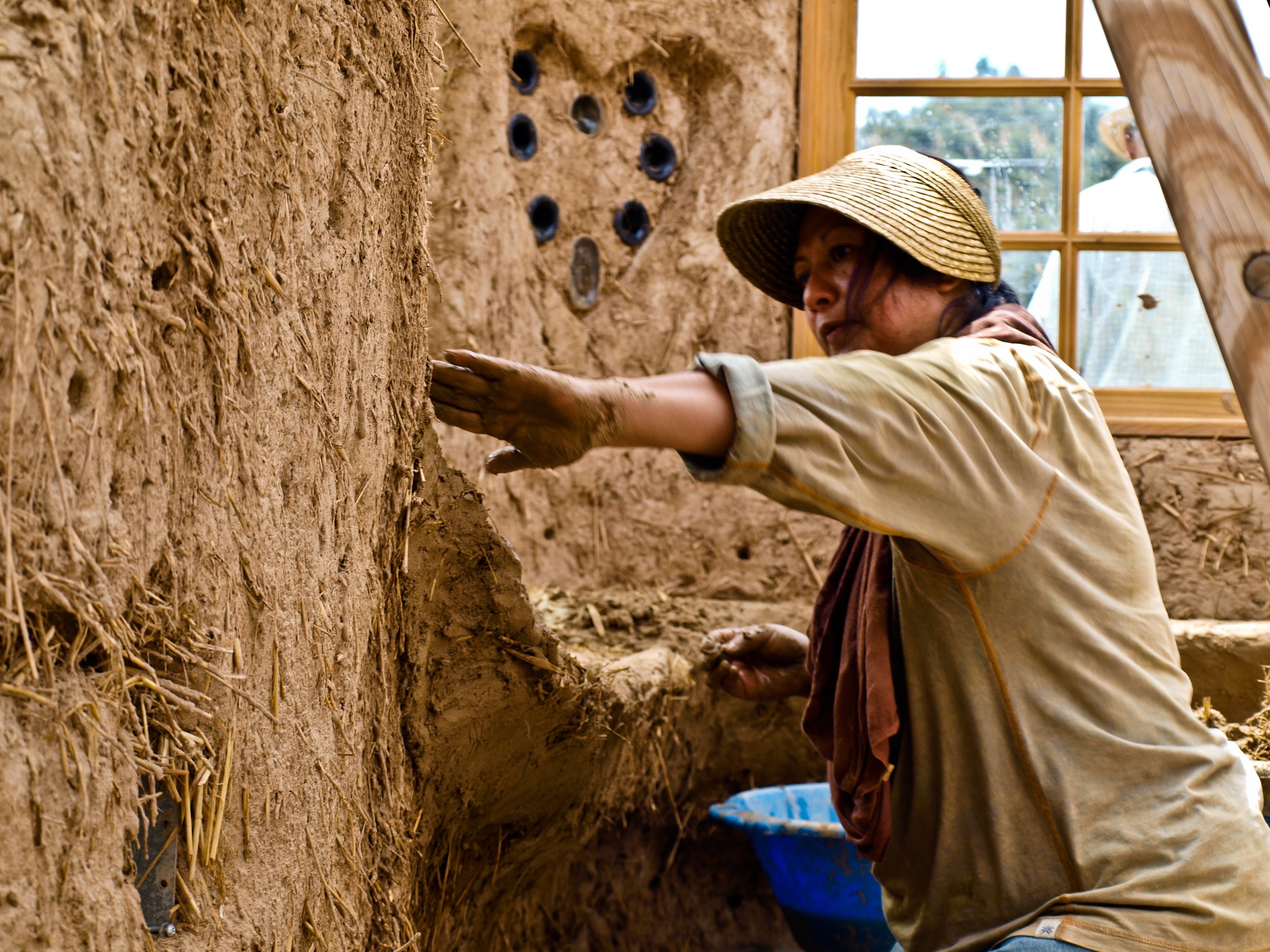
Cada de Edith
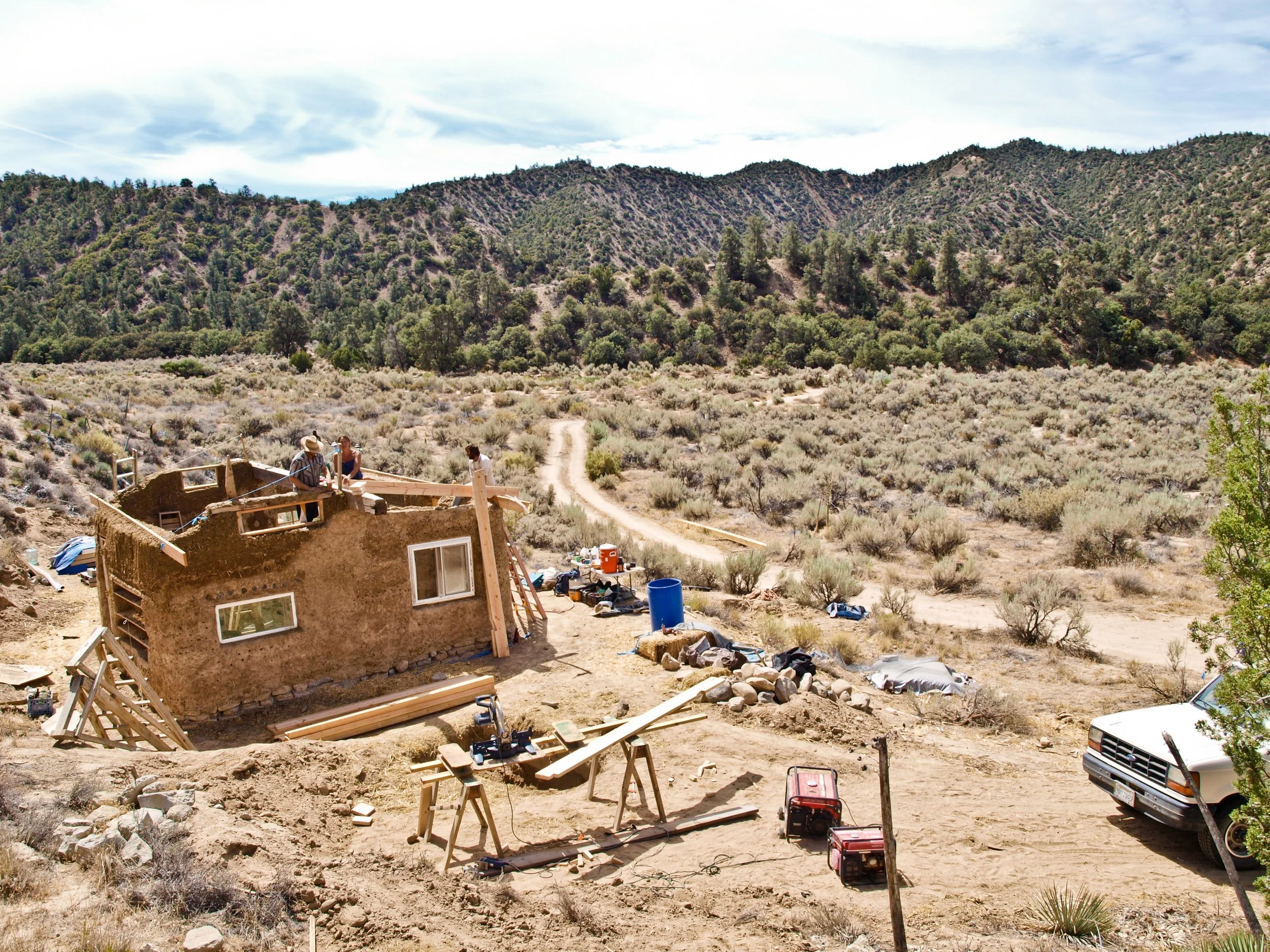
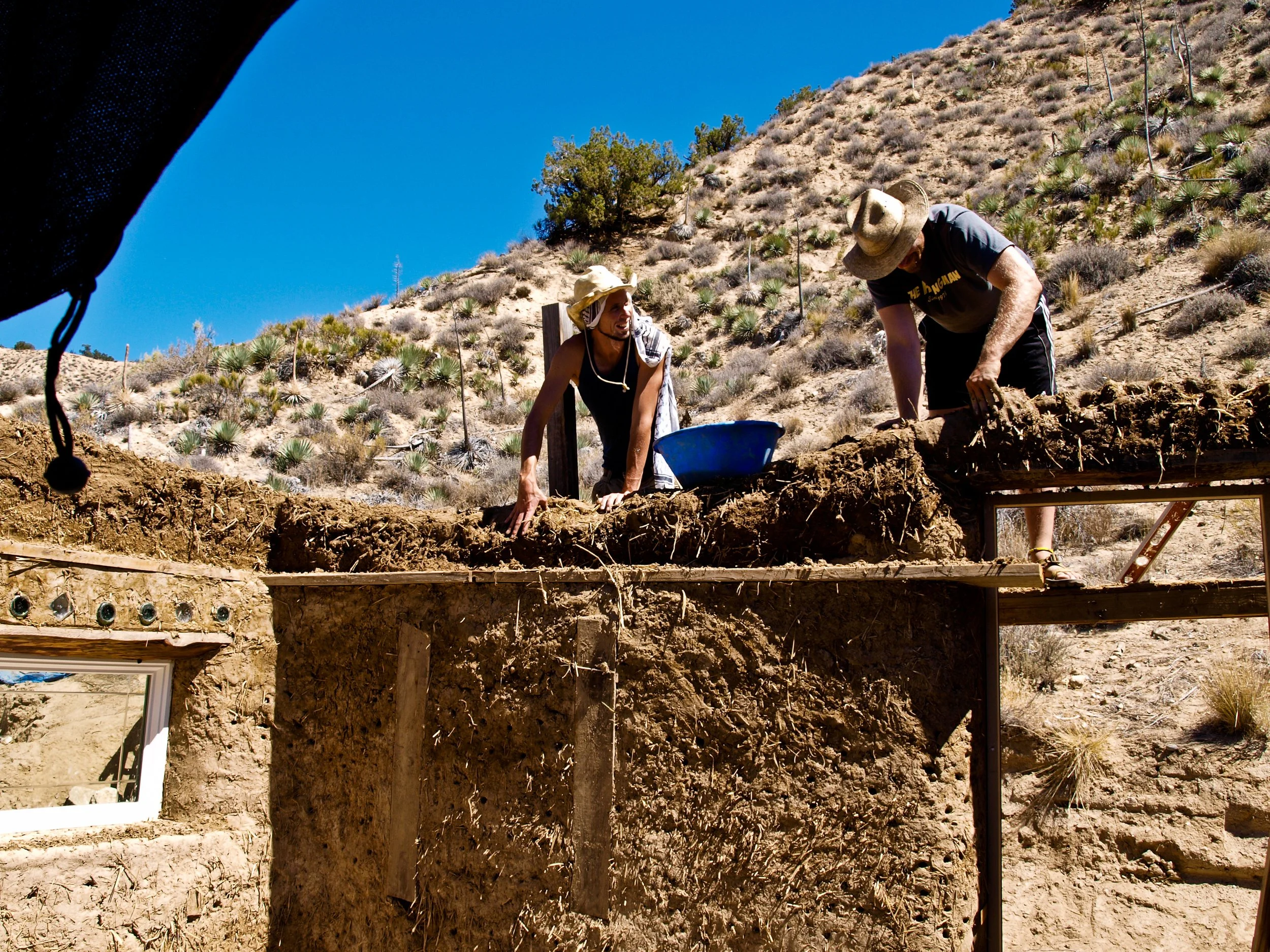
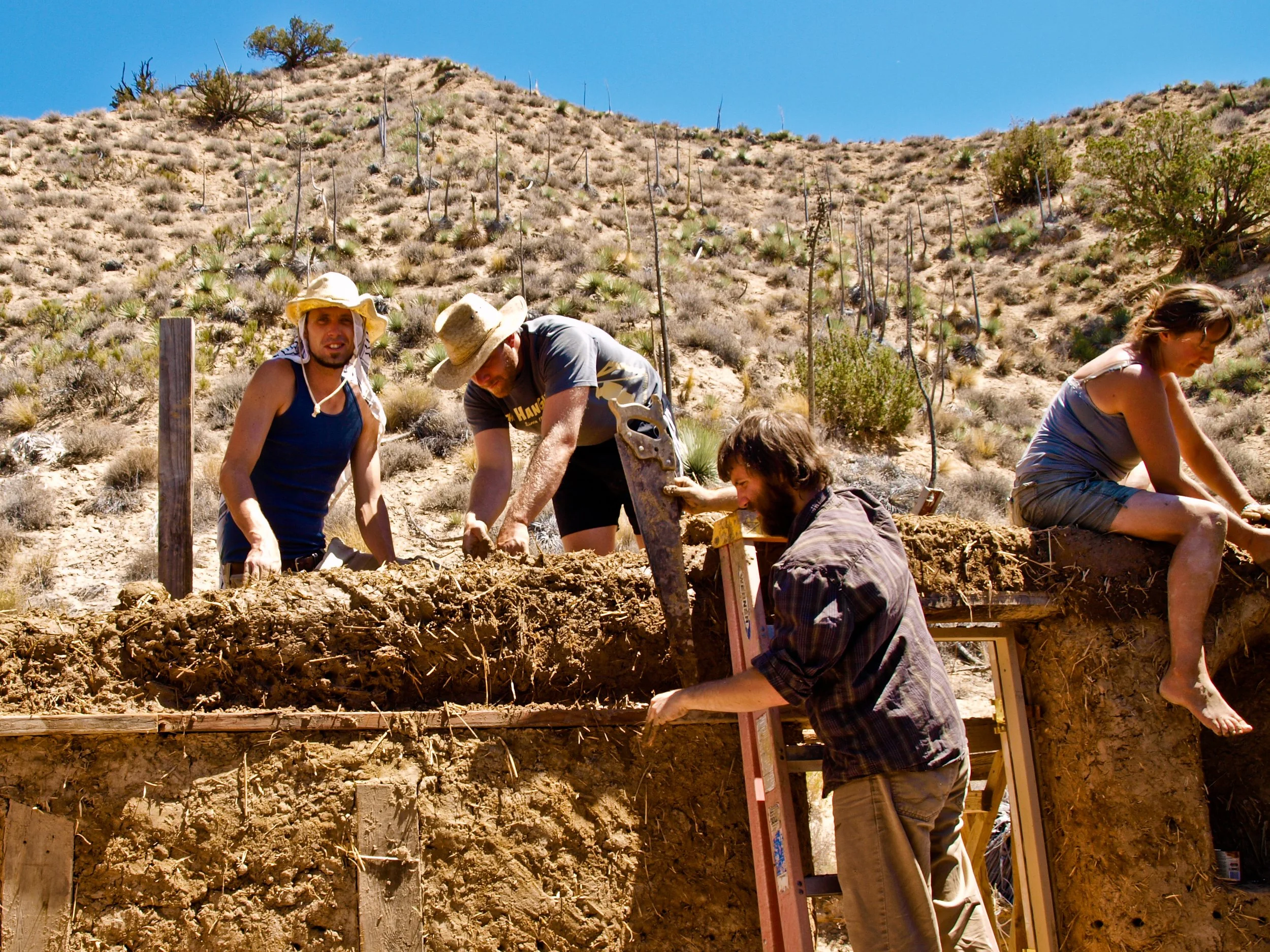
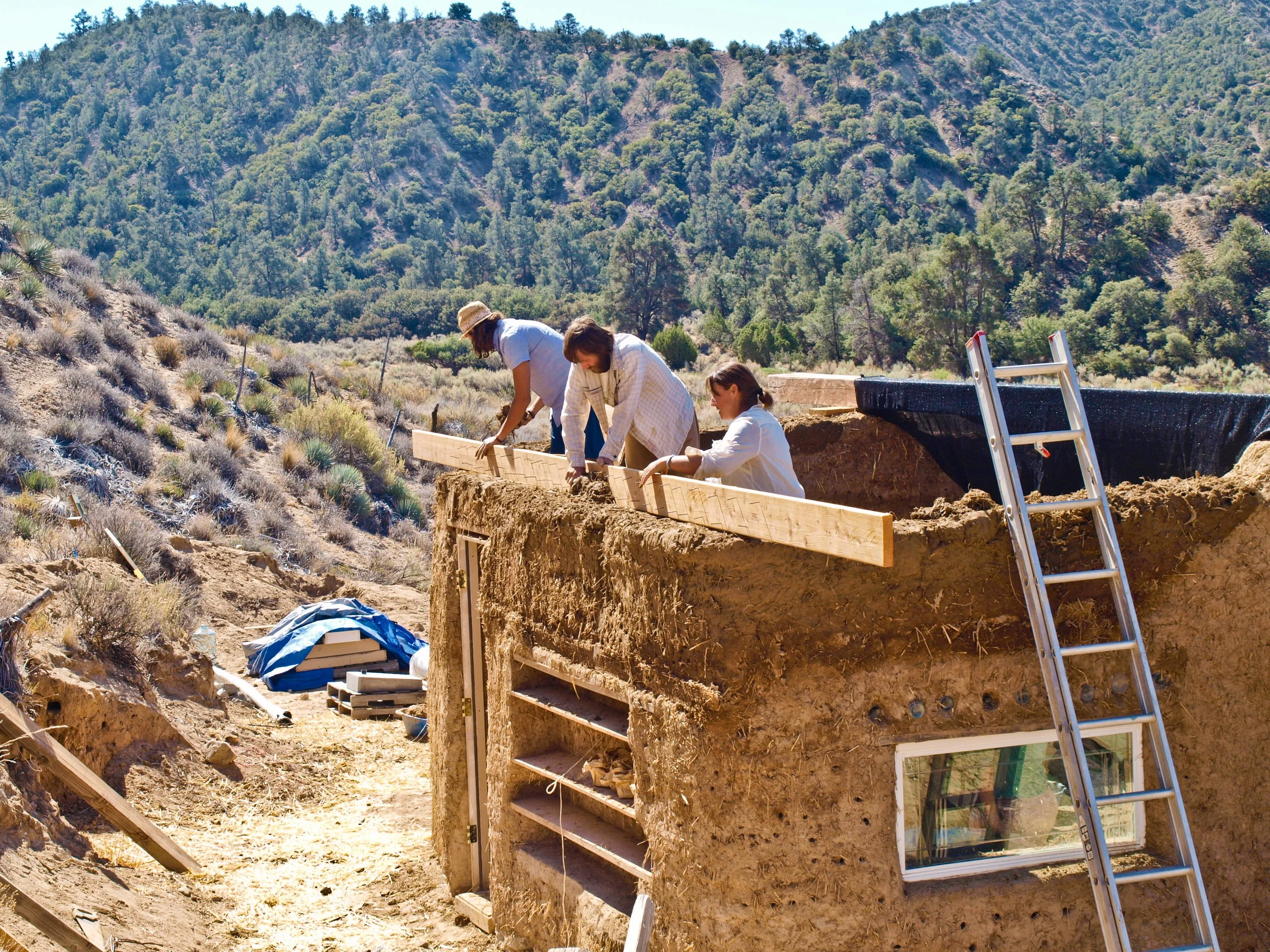
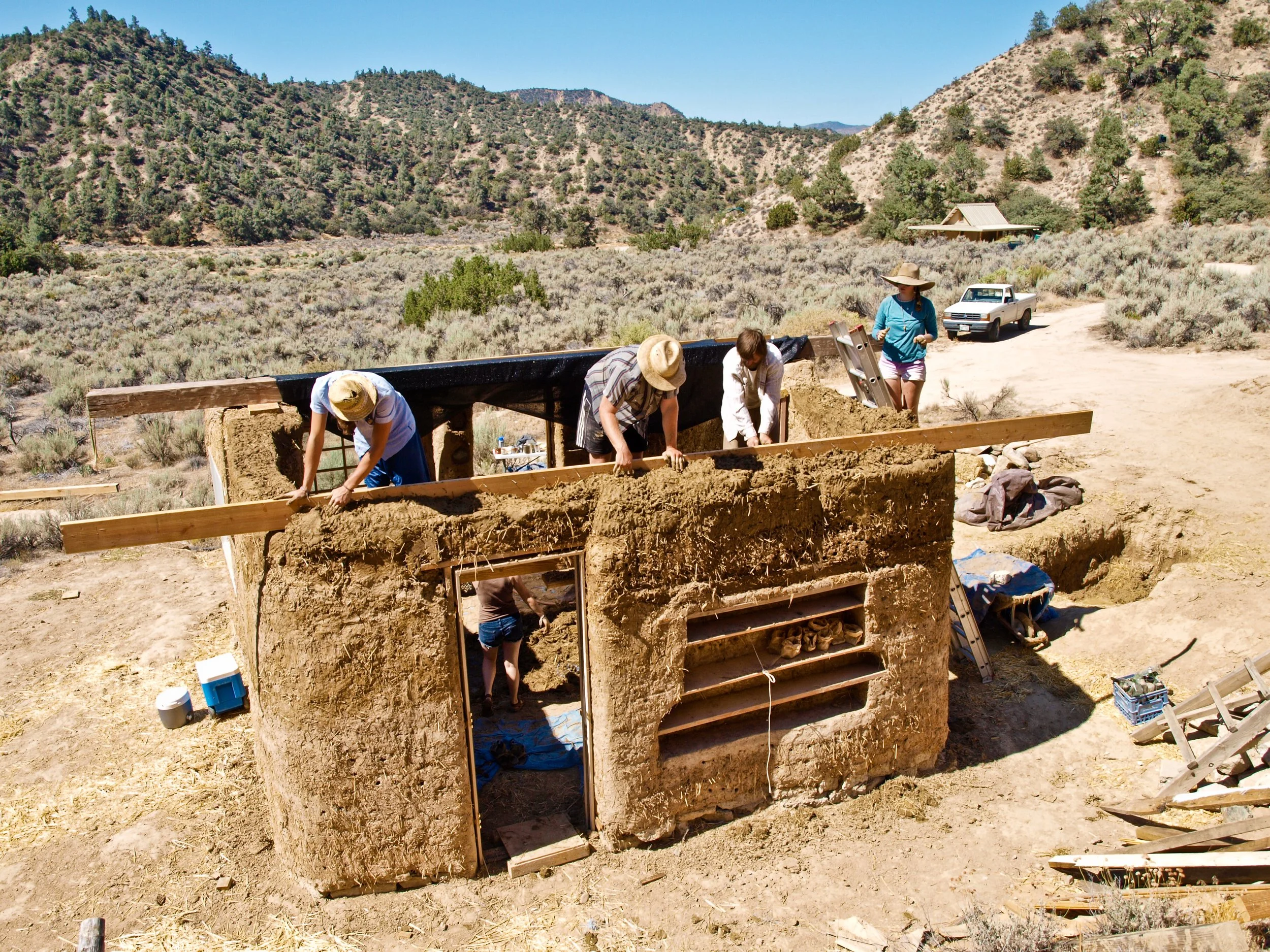
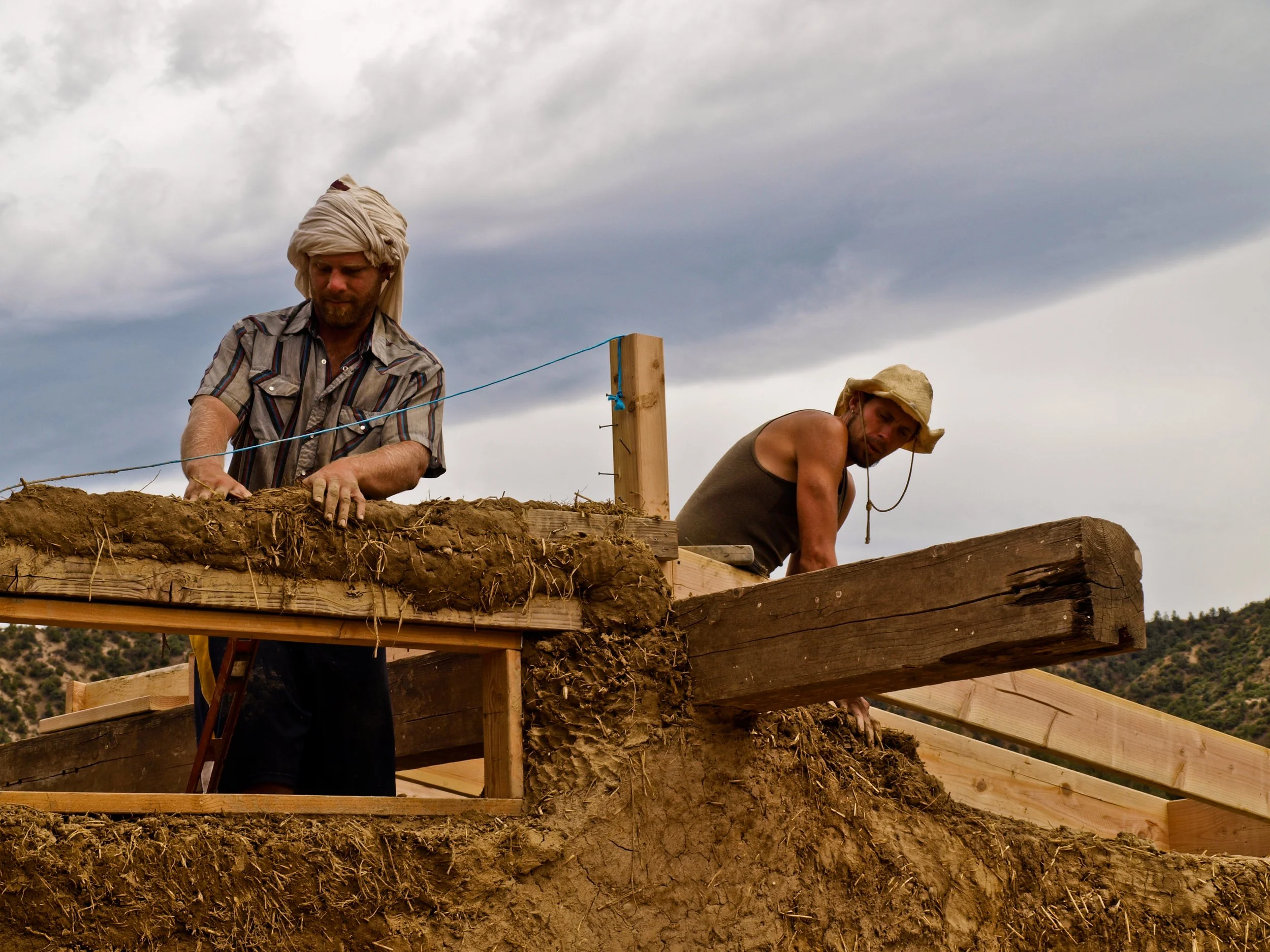
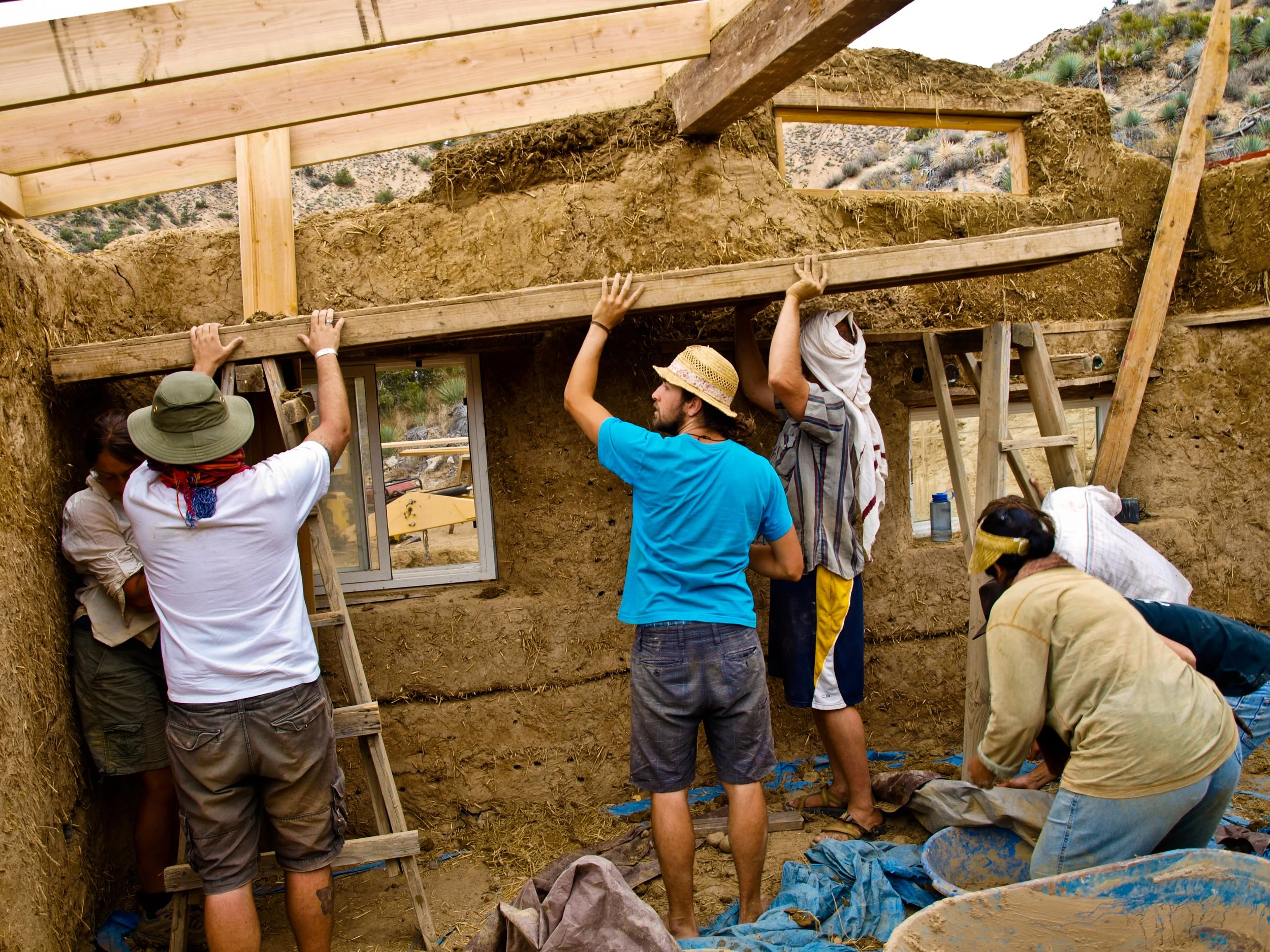
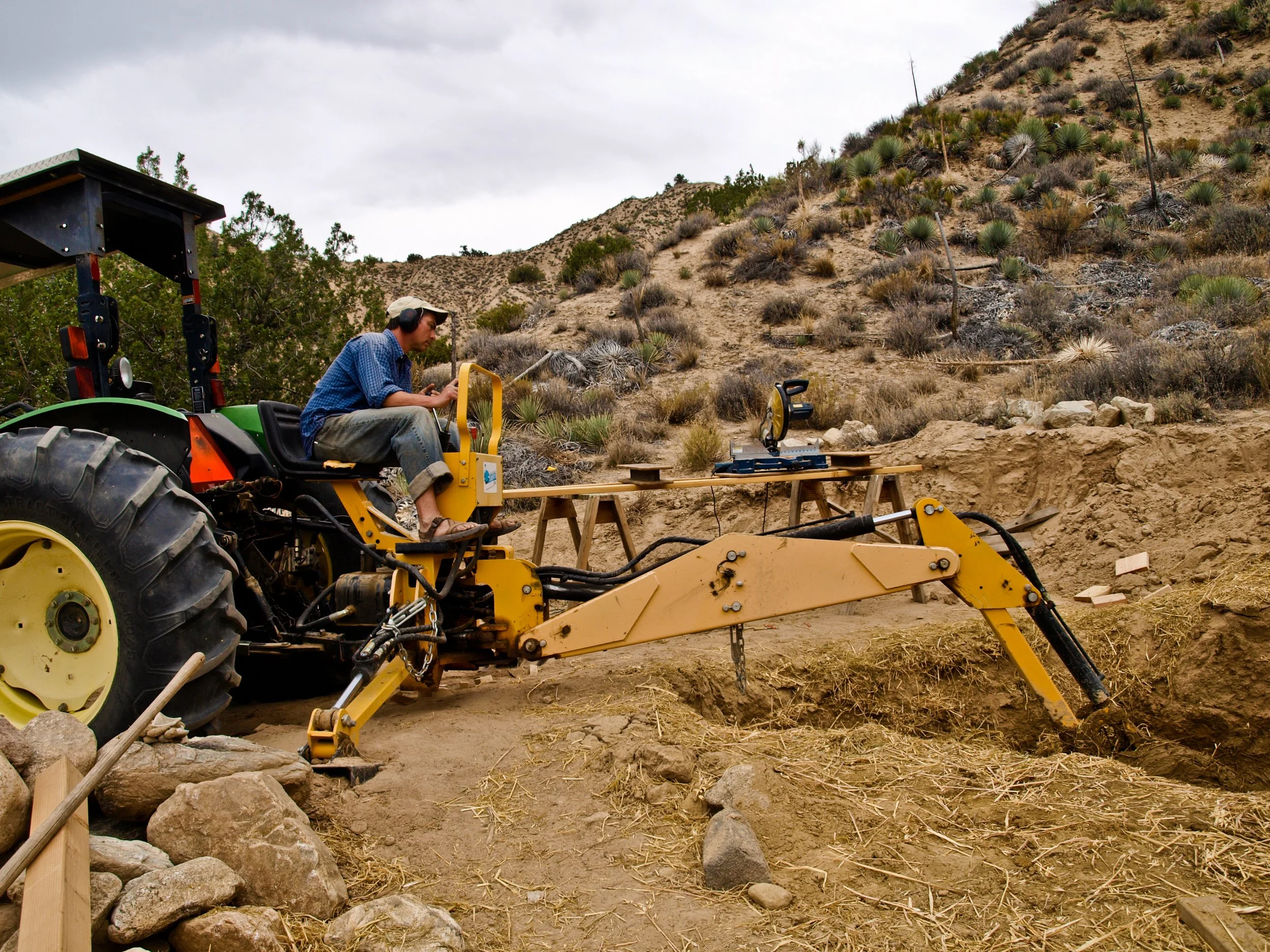
While completing my initial Permaculture Design Certification for International Development Professionals at Quail Springs Permaculture in Summer of 2012, I was fascinated by the array of incredible earth structures on site that the community there had developed as ongoing research into optimizing human living spaces that were site appropriate, environmentally safe (seismically stable, fire resistant, etc), non-toxic, cost effective, and aesthetically beautiful. For anyone who has ever stood in a cob house, for example, there is a sense of of being held by the very earth that is quite profound. Quail Springs, under the direction of master builder Sasha Rabin of Earthen Shelter, leaned heavily into cob building as well as straw-bale, light straw clay, earth bag construction, etc. Clearly the group of residents at Quail Springs was deeply involved in an investigating the most sane and harmonious ways to craft human dwellings in the high desert environment of the Cuyama Valley. These structures stuck with me, and after returning home to the bay area I was compelled within a few months to return in order to participate the construction of a cob house for one of the wonderful residents, Edith. Cob building is incredibly cost effective in terms of materials—drawing mostly on the clay and sand from the valley floor itself—but requires a significant investment in human labor. This is an art form that is made for community enterprise, in the tradition of the classic ‘barn raising’.
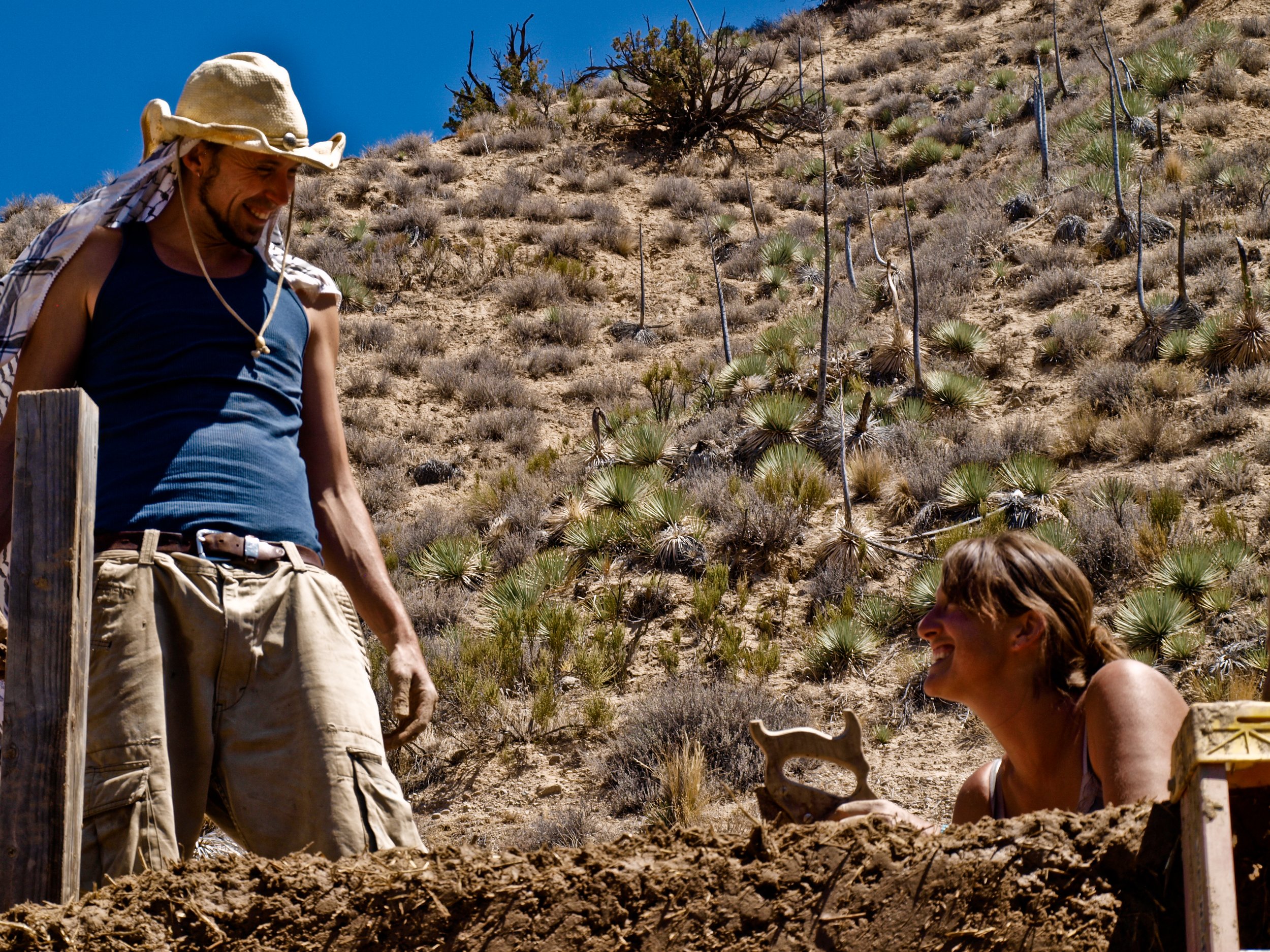
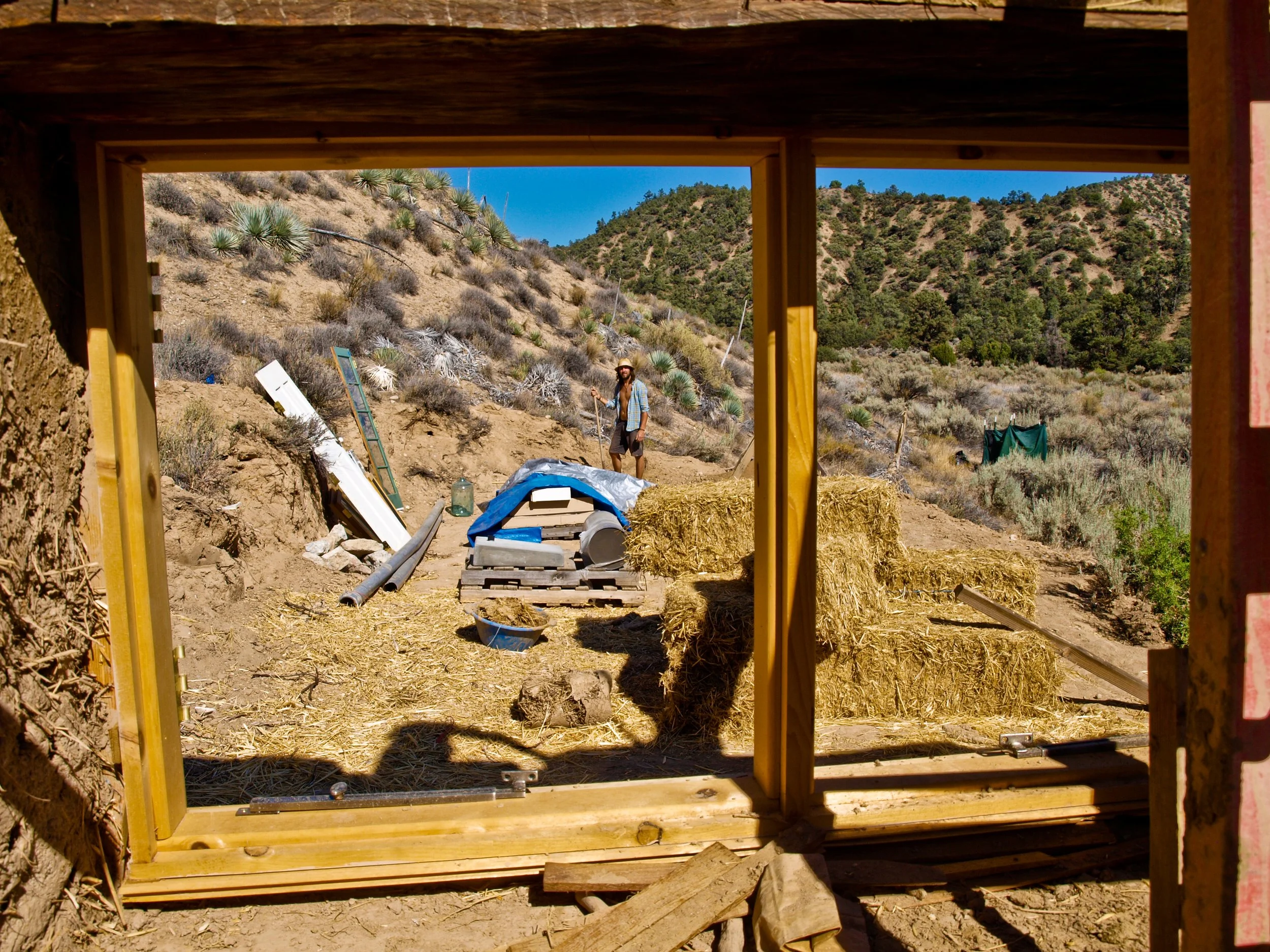
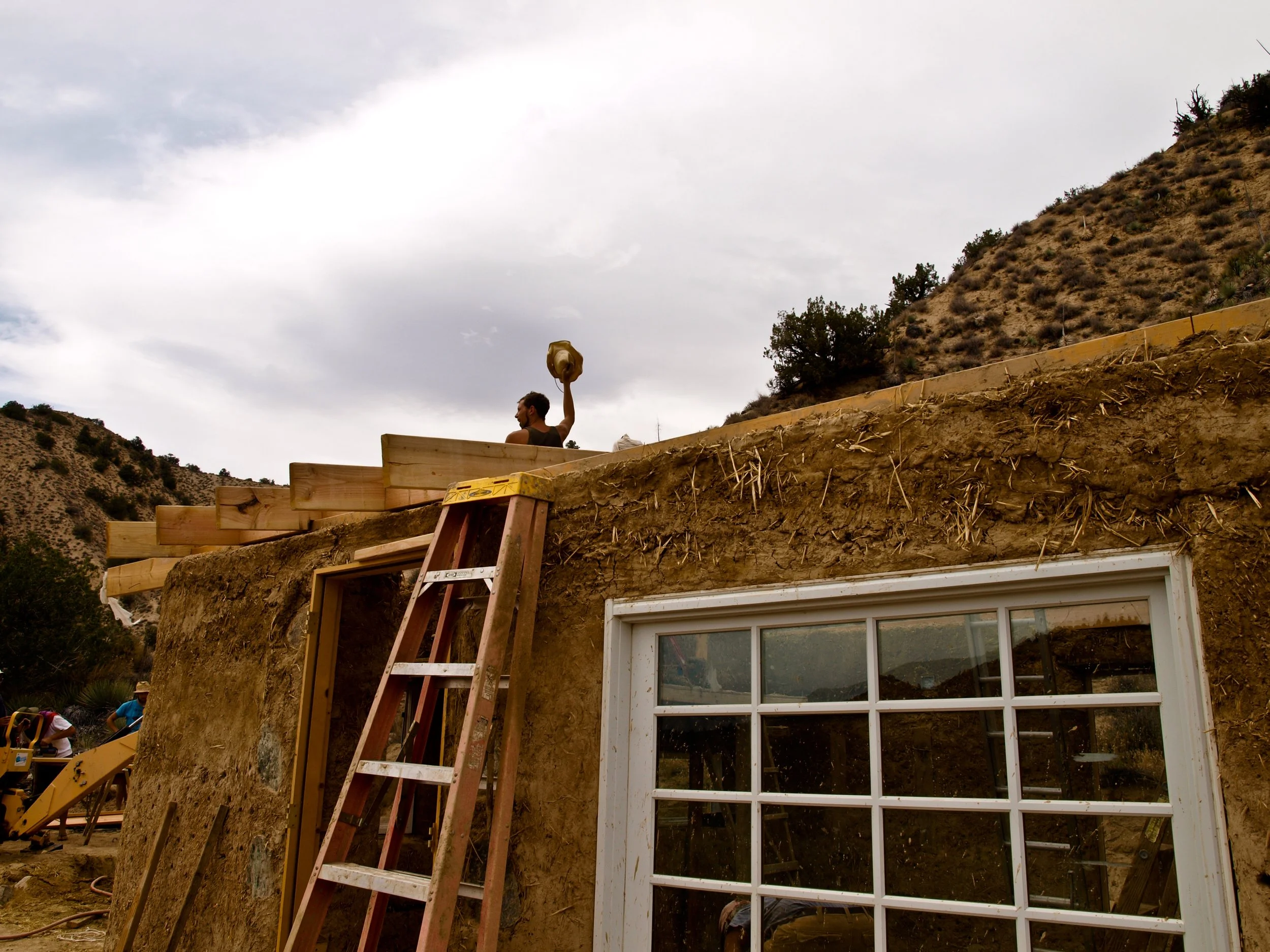
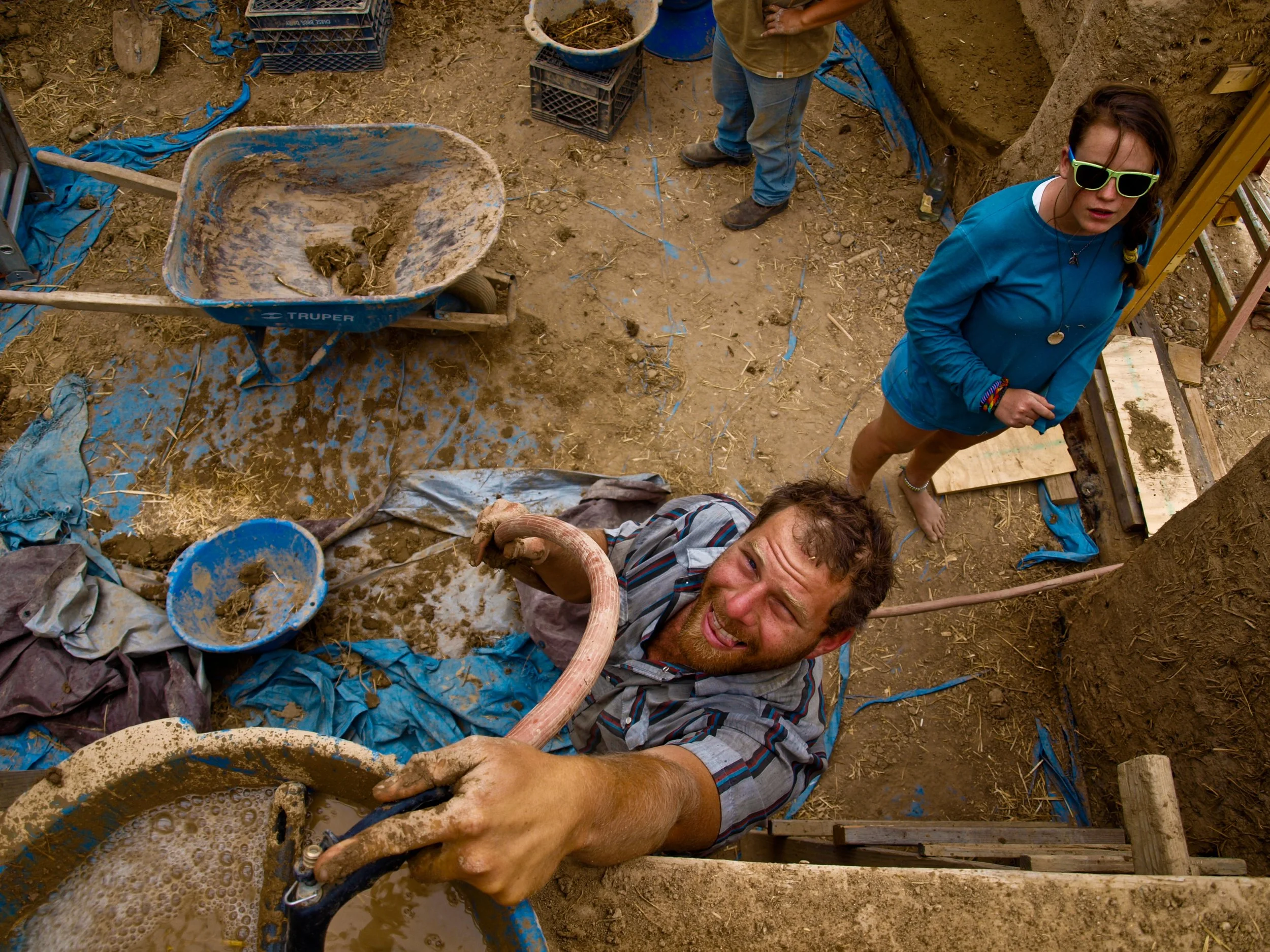
I was not able to participate in the entire build of Edith’s house or experience every stage of the process (finish plasters, roof framing, earthen floor, etc), but I was able to get acquainted with what it’s actually like to raise monolithic cob walls with a team of helping hands and a pit of earthen material. It was an eye-opening experience that would lead me down the path to learning more in short order.